02/07/2026
Construction Jobs That Will Exist in 2035
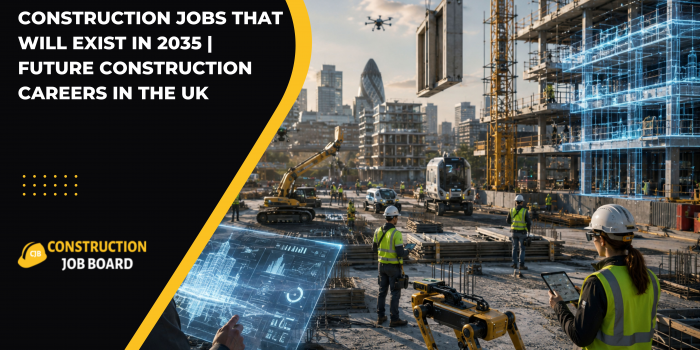
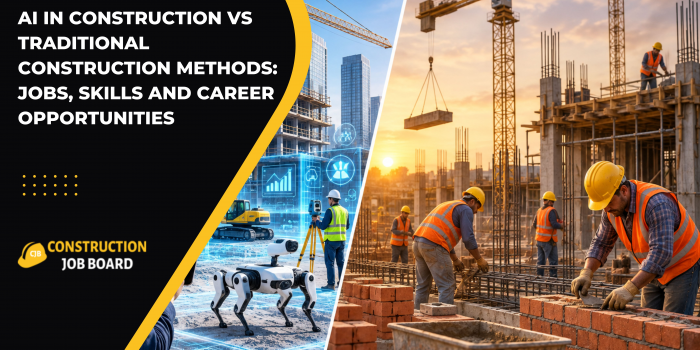
The construction industry has always adapted to change. From hand-drawn blueprints to Building Information Modelling (BIM), and from traditional machinery to autonomous equipment, every decade has introduced new ways of designing and building. By 2035, that pace of change is expected to accelerate even further.
For professionals already working in construction—and those considering entering the industry—the next decade presents exciting opportunities. While some familiar roles will remain essential, new careers will emerge as technology, sustainability, and changing regulations reshape the sector.
If you're planning a long-term career, understanding which Construction Jobs in 2035 are likely to be in demand can help you make informed decisions about your skills, qualifications, and career path.
Why the Construction Industry Is Changing
Several trends are transforming construction across the UK and globally.
Governments are investing in greener infrastructure, developers are adopting digital technologies, and clients increasingly expect projects to be completed faster, more efficiently, and with lower environmental impact.
At the same time, the industry faces ongoing challenges, including skills shortages, rising material costs, stricter environmental regulations, and an ageing workforce.
Rather than replacing workers, these changes are creating new opportunities for professionals who are willing to adapt.
- Digital Construction Manager
Construction projects are becoming more connected through digital tools and cloud-based collaboration platforms.
By 2035, Digital Construction Managers will oversee the use of technologies such as:
- Building Information Modelling (BIM)
- Digital twins
- Real-time project dashboards
- Cloud collaboration software
- Site data analytics
These professionals will ensure that digital systems improve project planning, communication, and productivity throughout the project lifecycle.
- Net Zero Construction Specialist
The UK's commitment to reducing carbon emissions means sustainability will become central to every construction project.
Net Zero Construction Specialists will help organisations:
- Reduce embodied carbon
- Improve energy efficiency
- Select sustainable materials
- Meet environmental regulations
- Achieve green building certifications
As more clients prioritise sustainable developments, demand for these specialists is expected to increase significantly.
- Modern Methods of Construction (MMC) Manager
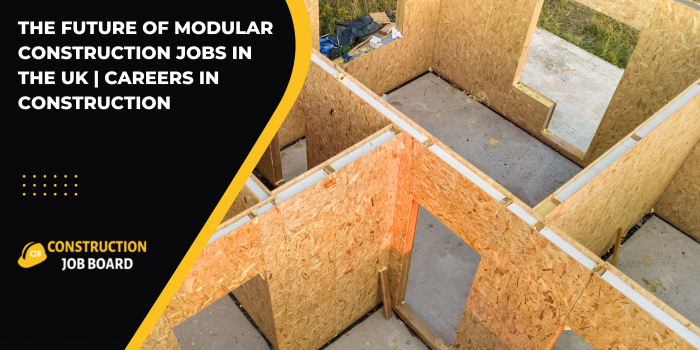
Off-site manufacturing and modular construction are already changing how buildings are delivered.
By 2035, MMC Managers will coordinate:
- Factory-built components
- Modular housing projects
- Prefabricated structural systems
- Logistics planning
- On-site assembly
These professionals will combine manufacturing expertise with traditional construction management skills.
- Construction Data Analyst
Construction companies generate enormous amounts of project data every day.
Future Data Analysts will help businesses make better decisions by analysing information related to:
- Productivity
- Project costs
- Labour performance
- Equipment usage
- Health and safety trends
- Programme forecasting
Data-driven decision-making will become an increasingly valuable competitive advantage.
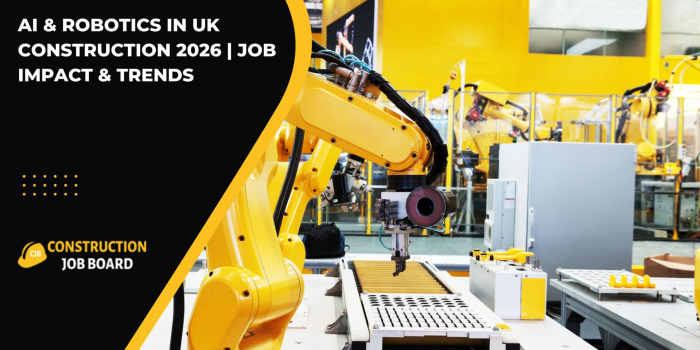
- Robotics and Automation Technician
Automation is expected to support—not replace—the construction workforce.
Robotic equipment may handle repetitive tasks such as:
- Bricklaying assistance
- Concrete printing
- Site surveying
- Material transportation
- Structural inspections
Robotics Technicians will maintain, programme, and troubleshoot these systems while ensuring they operate safely alongside construction teams.
- Drone Operations Manager
Drones are already being used to monitor construction progress, inspect structures, and survey land.
By 2035, larger projects will likely employ dedicated Drone Operations Managers responsible for:
- Aerial surveys
- Progress monitoring
- Safety inspections
- Mapping
- Digital reporting
Their work will improve accuracy while reducing time spent on manual inspections.
- Circular Construction Consultant
The future of construction is not just about building—it is also about reducing waste.
Circular Construction Consultants will advise companies on:
- Material reuse
- Building deconstruction
- Recycling strategies
- Sustainable procurement
- Waste reduction
As environmental regulations tighten, these specialists will become increasingly valuable.
- Smart Building Systems Manager
Buildings are becoming more intelligent through connected technology.
Smart Building Managers will oversee systems including:
- Energy management
- Smart lighting
- Building automation
- Security integration
- Internet of Things (IoT) devices
Construction professionals with knowledge of both building systems and digital technology will be highly sought after.
- Infrastructure Resilience Engineer
Climate change is increasing the need for resilient infrastructure.
Future Infrastructure Resilience Engineers will help design projects capable of withstanding:
- Flooding
- Extreme temperatures
- Coastal erosion
- Severe weather events
This role combines civil engineering with environmental planning and long-term risk management.
- Construction AI Coordinator
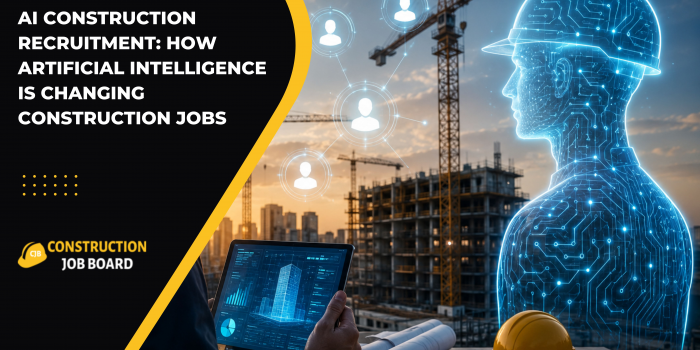
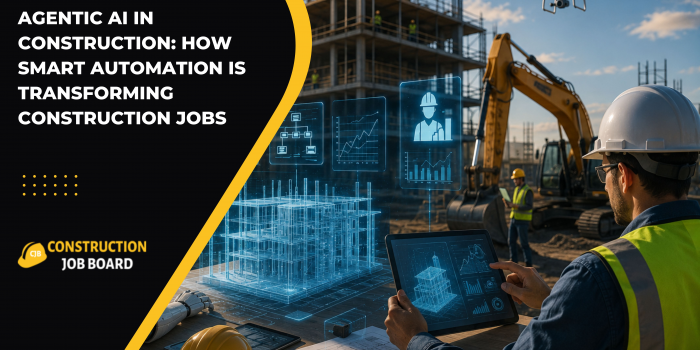
Artificial intelligence is becoming a practical tool for the construction sector.
By 2035, AI Coordinators may oversee systems that assist with:
- Programme scheduling
- Cost forecasting
- Risk identification
- Quality assurance
- Resource planning
Rather than replacing construction managers, AI will help them make faster and better-informed decisions.
Traditional Construction Jobs Will Still Matter
While new roles are emerging, traditional construction careers will remain essential.
The industry will continue to need experienced:
- Site Managers
- Quantity Surveyors
- Civil Engineers
- Electricians
- Plumbers
- Bricklayers
- Carpenters
- Structural Engineers
- Crane Operators
- Health and Safety Managers
Technology will change how these professionals work, but their expertise will remain indispensable.
Skills That Will Be Most Valuable in 2035
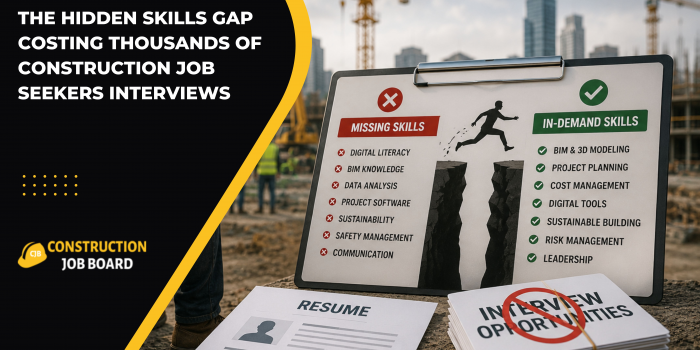
Future employers will increasingly value professionals who combine technical knowledge with digital and leadership skills.
Important skills are likely to include:
Digital Literacy
Understanding construction software, BIM platforms, and cloud-based collaboration tools will become standard expectations.
Sustainability Knowledge
Professionals who understand low-carbon construction, renewable technologies, and environmental compliance will have a competitive advantage.
Adaptability
Construction methods will continue evolving, making flexibility one of the most valuable career traits.
Data Interpretation
The ability to use project data for better decision-making will become increasingly important across management roles.
Leadership
Managing diverse teams, suppliers, and stakeholders will remain a core skill regardless of technological advances.
How to Prepare for Construction Jobs in 2035
The future rewards those who prepare early.
Here are practical ways to future-proof your career:
Continue Learning
Take advantage of professional development courses, certifications, and employer training programmes.
Learn New Technologies
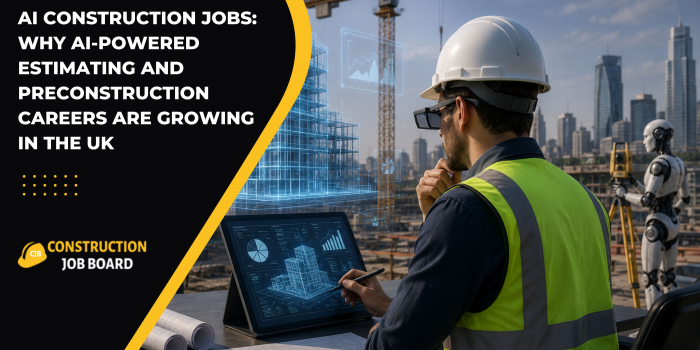
Become familiar with BIM, project management software, drones, digital reporting tools, and emerging AI applications.
Develop Commercial Awareness
Understanding contracts, procurement, budgeting, and project finance will support progression into senior roles.
Build Soft Skills
Communication, negotiation, emotional intelligence, and leadership will become even more valuable as projects become increasingly collaborative.
Stay Informed
Follow industry news, attend construction exhibitions, and keep up with changing regulations and technological innovations.
Will AI Replace Construction Workers?
This is one of the most common questions about the future of construction.
The most likely answer is no.
AI and automation will reduce repetitive administrative tasks and improve planning, but construction still depends heavily on human judgement, practical problem-solving, leadership, craftsmanship, and collaboration.
Professionals who learn to work alongside new technologies are likely to find even greater career opportunities.
Why Young Professionals Should Feel Optimistic
Construction is no longer viewed simply as a manual trade.
Today's industry offers careers in:
- Technology
- Sustainability
- Engineering
- Data analysis
- Digital design
- Commercial management
- Innovation
- Executive leadership
This diversity means there will be more career pathways than ever before by 2035.
For school leavers, apprentices, graduates, and experienced professionals alike, construction continues to offer long-term career stability and opportunities for progression.
Final Thoughts
The Construction Jobs in 2035 will reflect an industry that is smarter, greener, and more connected than ever before. While familiar roles such as Site Managers, Quantity Surveyors, and Engineers will continue to play a vital part, emerging careers in digital construction, sustainability, robotics, artificial intelligence, and data analysis will reshape the employment landscape.
Success in the future construction industry will depend less on resisting change and more on embracing it. Professionals who continuously develop their technical expertise, strengthen their leadership abilities, and remain open to learning new technologies will be well positioned for long-term career growth.
Whether you are just starting your journey or already have years of experience, preparing for the construction industry of 2035 begins today. The decisions you make now—investing in skills, gaining new qualifications, and staying informed about industry trends—can help you thrive in the next generation of construction careers.
Frequently Asked Questions (FAQs)
1. What construction jobs will be in demand in 2035?
Construction jobs expected to be in high demand include Digital Construction Managers, Net Zero Construction Specialists, Construction AI Coordinators, Robotics Technicians, Smart Building Systems Managers, Infrastructure Resilience Engineers, and experienced Site Managers, Quantity Surveyors, and Civil Engineers.
2. Will technology reduce construction job opportunities?
Technology is more likely to change construction jobs than eliminate them. Automation and AI will support professionals by improving efficiency, while creating new careers focused on digital construction, sustainability, data analysis, and technology management.
3. How can I prepare for construction careers in 2035?
Focus on developing digital skills, learning BIM and construction software, understanding sustainable building practices, improving leadership and communication skills, and participating in continuous professional development to stay competitive.